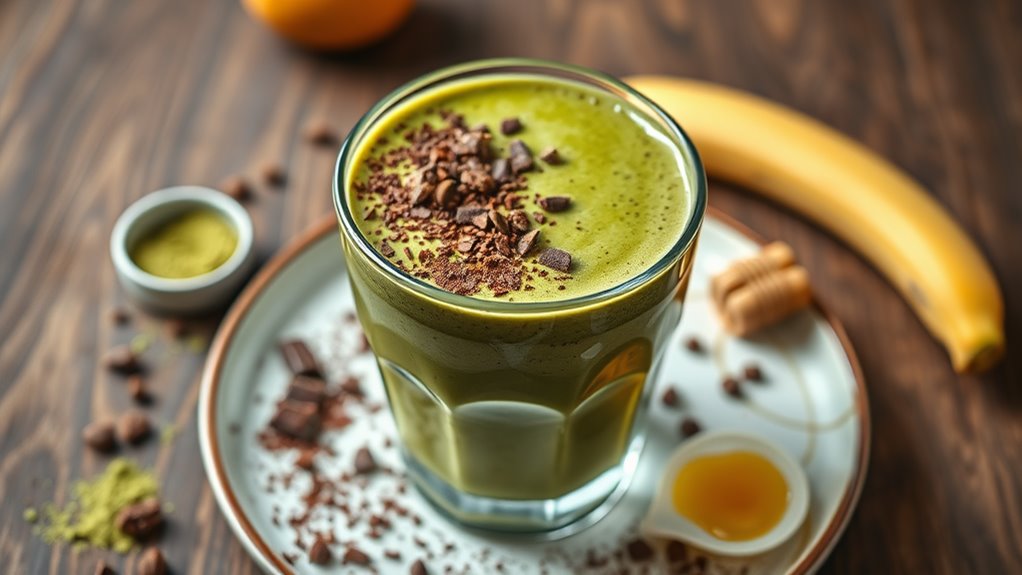
Morning Energy Boost: Best Matcha Grade for Vibrant Smoothies
Kickstarting your day with a jolt of energy doesn't have to mean reaching for another cup of coffee. Imagine a drink that not only invigorates your mind but also nourishes your body with a vibrant burst of antioxidants. Enter the
matcha smoothie – a delightful fusion of wholesome fruits and the ancient power of green tea. This emerald-hued elixir promises a sustained energy lift without the jitters, making it the perfect morning ritual. But to unlock its full potential, understanding the nuances of matcha – particularly its various grades – is key. Choosing the right matcha grade can transform your smoothie from merely good to truly spectacular, ensuring optimal flavor, color, and beneficial impact.
The Allure of the Matcha Smoothie: More Than Just a Drink
Matcha, a finely ground powder of specially cultivated green tea leaves, has been a cornerstone of traditional Japanese tea ceremonies for centuries. Its rich history and cultural significance speak volumes about its esteemed status. Unlike traditional green tea where leaves are steeped and discarded, with matcha, you consume the entire tea leaf, unlocking a concentrated dose of its unparalleled health benefits.
The taste profile of matcha is distinct: a harmonious blend of grassy, earthy notes with a subtle bittersweet undertone. While it’s enjoyed as a ceremonial tea or in lattes, its versatility shines brilliantly in culinary applications, from desserts to savory dishes, and especially in a refreshing
matcha smoothie.
What truly sets matcha apart as an energy booster is its unique composition. It contains caffeine, certainly, but typically less than coffee. The magic lies in the presence of L-theanine, an amino acid unique to tea. L-theanine promotes a state of calm alertness, mitigating the potential jitters often associated with caffeine. This synergy provides a sustained, focused energy that gently uplifts your mood and enhances concentration, making your morning genuinely vibrant. Beyond energy, matcha is a powerhouse of antioxidants, particularly catechins, which combat free radicals, support cellular health, and may even boost metabolism. A matcha smoothie isn't just a drink; it's a complete wellness experience.
Decoding Matcha Grades: Finding Your Smoothie's Soulmate
Not all matcha is created equal. Understanding the different grades is paramount to crafting a
matcha smoothie that truly excels in color, flavor, and overall experience. There are three primary grades, each with distinct characteristics derived from cultivation methods, harvest time, and processing.
Ceremonial Grade Matcha
- Production: Made from the youngest, most tender tea leaves from the first harvest (ichibancha). These leaves are shade-grown for weeks before harvest, increasing chlorophyll and L-theanine content. The veins and stems are meticulously removed before stone-grinding.
- Color & Flavor: Characterized by its incredibly vibrant, almost neon green hue. It boasts a naturally sweet, smooth, and umami-rich flavor with virtually no bitterness.
- Ideal Use: Traditionally reserved for ceremonial preparation, whisked simply with hot water. Its delicate flavor and superior quality shine best on their own. However, for a truly exceptional matcha smoothie, ceremonial grade provides the most brilliant color and the least bitter, most palatable taste, requiring minimal added sweetener.
Latte Grade (Premium or Superior Culinary) Matcha
- Production: Typically comes from the second harvest (nibancha) or later harvests, or slightly older leaves from the first harvest. While still shade-grown and carefully processed, the quality is a step below ceremonial.
- Color & Flavor: A beautiful bright green, though perhaps not as electric as ceremonial. It offers a robust, slightly more assertive grassy flavor, with a hint of natural bitterness that stands up well to other ingredients.
- Ideal Use: Excellent for matcha lattes (hot or iced), baking, and culinary creations where matcha's flavor needs to cut through other components. This is often the *best value* option for a truly delicious matcha smoothie. It delivers fantastic color and a well-balanced flavor profile without the premium price tag of ceremonial grade. Many discerning smoothie enthusiasts find this grade strikes the perfect balance.
Culinary Grade Matcha
- Production: Made from older tea leaves, often from later harvests, and may include stems and veins. It's processed to be more robust, designed to pair with strong flavors.
- Color & Flavor: Tends to have a duller, yellowish-green or brownish-green color. Its flavor is stronger, earthier, and often significantly more bitter or astringent.
- Ideal Use: Best suited for recipes where matcha is just one of many strong flavors, like in intensely flavored baked goods, chocolates, or savory dishes where its bitterness can be an asset. While it *can* be used in a matcha smoothie, you'll likely need to add considerably more sweetener to counteract its bitterness, and the vibrant green color will be diminished. For a truly "vibrant" smoothie, it's generally not recommended.
Our Recommendation for Smoothies: For a genuinely vibrant and delicious
matcha smoothie, we highly recommend opting for
Ceremonial or Latte Grade matcha. The difference in color and flavor is remarkably noticeable, elevating your smoothie experience significantly. The brighter the green, the fresher and higher quality the matcha, which translates directly to a smoother taste and less need for additional sweeteners.
Crafting Your Perfect Morning Matcha Smoothie
Whipping up a delicious
matcha smoothie is incredibly simple, requiring just a few key ingredients and a blender. The core combination often includes sweet fruits like banana and pineapple, which naturally complement matcha's earthy notes, alongside a liquid base.
Essential Ingredients:
- Matcha Powder: As discussed, choose Ceremonial or Latte grade for best results.
- Frozen Banana: Adds natural sweetness, creaminess, and thickens the smoothie without the need for ice.
- Frozen Pineapple: Contributes a tangy sweetness and refreshing flavor that pairs beautifully with matcha.
- Milk: Dairy milk or your favorite non-dairy alternative. Oat milk is a fantastic choice for its creamy texture and neutral flavor, while coconut milk adds a lovely tropical hint.
Blending for Success:
For an ultra-smooth, perfectly blended smoothie, add your liquid first, then soft ingredients (like fresh fruit), followed by frozen fruits and finally the matcha powder. This helps the blades catch everything evenly. Blend on high until completely smooth, scraping down the sides if necessary. Taste and adjust! The bitterness of matcha can vary, so feel free to add a touch more natural sweetener (like a date, maple syrup, or honey) if desired.
Customization is Key:
The beauty of a
matcha smoothie lies in its adaptability. Don't be afraid to experiment with other fruits like mango, mixed berries, or even a squeeze of fresh orange juice for an extra vitamin C boost. For an added nutritional punch and creaminess, a quarter of an avocado works wonders without altering the flavor significantly. Incorporating a handful of spinach or kale is an easy way to sneak in extra greens, often masked by the strong flavors of fruit and matcha. Spices like a pinch of ginger or cinnamon can also add intriguing layers of flavor.
For more inspiration on how to adapt your smoothie to your dietary needs and preferences, check out our comprehensive guide:
Customize Your Matcha Smoothie: Dairy-Free Options & Protein Boost.
Beyond the Blend: Tips for an Optimal Matcha Experience
Once you've chosen your perfect matcha grade and mastered the basic blend, a few extra tips can enhance your overall matcha smoothie experience.
Storing Your Matcha: Matcha is delicate and can lose its vibrancy and flavor when exposed to light, air, and moisture. Always store your matcha powder in an airtight container in a cool, dark place, ideally in the refrigerator, to preserve its freshness and potent green color.
Make-Ahead Smoothies: One of the greatest advantages of this
matcha smoothie is that it doesn't separate significantly when stored in the refrigerator. This makes it a great option for meal prepping; blend a larger batch and save half for later. However, be aware that the matcha flavor can become slightly more pronounced and potentially a bit more bitter as it sits. A quick stir and perhaps a tiny bit of extra sweetener or a splash of milk can refresh it beautifully.
Dietary Adaptations and Protein Boosts:
*
Dairy-Free/Vegan: Easily achieved by simply using your preferred non-dairy milk (oat milk, almond milk, or coconut milk are excellent) instead of dairy.
*
Gluten-Free: Matcha and most fruits are naturally gluten-free.
*
Protein Power: If you're using your smoothie as a meal replacement or simply want to boost satiety, consider adding a scoop of vanilla protein powder (which also adds a pleasant sweetness), 1-2 tablespoons of chia seeds, or a dollop of nut butter. Greek yogurt is another fantastic protein source that adds a tangy creaminess, but remember to omit it for vegan preparations. For more detailed advice on these modifications, refer back to our article on
Customize Your Matcha Smoothie: Dairy-Free Options & Protein Boost.
Embrace Your Vibrant Morning
A
matcha smoothie is more than just a quick breakfast; it's an investment in your well-being, offering sustained energy, powerful antioxidants, and a delicious start to your day. By understanding the different matcha grades, especially the benefits of choosing ceremonial or latte grade, you can unlock a truly vibrant, flavorful, and energizing experience. Experiment with different fruits, adjust to your preferred sweetness, and savor the smooth, earthy notes. With these tips, you're well on your way to making your morning energy boost both delicious and remarkably revitalizing.